These are worship resources for The Second Sunday Before Lent, 2021. The resources are gathered from a variety of sources and, while assembled mainly for The Anglican Church of St Thomas the Apostle, Kefalas, on the island of Crete in Greece, others may find them useful.
Gospel of John Frontispiece and Incipit, Donald Jackson, from The Saint John’s Bible
Share
Please join us for an online Zoom-only service. You can join our Zoom Service of the Word by clicking this link or by entering the following into your Zoom application: Meeting ID: 850 4483 9927 Passcode: 010209.
We at the Anglican Church of St Thomas, Crete, will not actually be using the readings for the Second Sunday Before Lent on February 7, but another set of readings. Likewise, the music appointed will be different from what is listed below. The Order of Service for this alternate set of readings and hymns can be downloaded here, although all the parts needed by the congregation – hymns and responses – will be up on the screen.
My sermon from Christmas 2019 refers to the gospel reading and the reading from Proverbs, so you may want to have a look at that.
Fr Leonard Doolan of the Anglican/Episcopal Church of St Paul, Athens, has sent me his pre-recorded sermon which will be preached live on February 7, 2021.
Sermon for 7 February, 2021, Fr Leonard Doolan, Athens
Pray
Collect Almighty God, you have created the heavens and the earth and made us in your own image: teach us to discern your hand in all your works and your likeness in all your children; through Jesus Christ your Son our Lord, who with you and the Holy Spirit reigns supreme over all things, now and for ever. Amen.
(or)
Almighty God, give us reverence for all creation and respect for every person, that we may mirror your likeness in Jesus Christ our Lord. Amen.
Intercession That this day may be holy, good and joyful: Allwe pray to you, O Lord.
That we may offer to you our worship and our work: Allwe pray to you, O Lord.
That we may strive for the well-being of all creation: Allwe pray to you, O Lord.
That in the pleasures and pains of life, we may know the love of Christ and be thankful: Allwe pray to you, O Lord.
That we may be bound together by your Holy Spirit, in communion with Thomas and with all your saints, entrusting one another and all our life to Christ: Allwe pray to you, O Lord.
Let us commend ourselves, and all for whom we pray, to the mercy and protection of God.
we remember our beloved in Christ in other denominations, especially the leadership in:
The Orthodox Church: Vartholomaĩos, the Ecumenical Patriarch of Constantinople; and Irinaios Athanasiadis, Archbishop of Crete; and the Holy Synod of the Church of Greece in Athens;
The Roman Catholic Church, especially Pope Francis, and the bishop for Crete, Petros Stefanou;
our relationship of full communion with the churches of the Porvoo agreement, especially The Church of Sweden, the Rev. Björn Kling, and Thomas Petersson, Bishop of Visby with oversight of the Church of Sweden Abroad;
the Ministry Team: Pray for: William Gulliford (DDO); Ulla Monberg (Director of Ministerial Development); Pauline Williams (Ministry Team Administration); those training for ordained ministry.
I bid your prayers for the leaders and people of the nations; especially
Elizabeth, Queen of the United Kingdom of Great Britain and Northern Ireland, and her other realms, and also in her role as Governor of the Church of England;
and Boris Johnson, the Prime Minister of her British government;
For the peoples of the United States, and for their new President, Joe Biden and their new Vice-President, Kamala Harris; the Congress and the federal courts; and the state governors, legislatures, and state court systems;
the peoples of Myanmar, Belarus, Hong Kong, Russia, Sudan, Kyrgyzstan, Peru, Bolivia, Nigeria, Brazil, and Thailand as they continue to demonstrate for democracy and justice;
for the maintaining of peace between Azerbaijan and Armenia, and between Russia and Ukraine, North and South Korea, and for a final, just resolution to their conflicts;
for peace and justice between Palestinians and Israelis;
for a lessening of tensions between Turkey and Greece; and
for peace in Yemen, Libya, Afghanistan, Syria, and Ethiopia.
I bid your prayers for the sick and suffering and all who minister to their needs;
remembering the over twenty-five million active cases of the novel coronavirus, and mourning with the families of the over 2.3 million who have died in the pandemic;
for the 1.9 million people in the UK with active cases of covid-19, the over 110,000 who have died of it there, and the over 9,289 active cases here in Greece, and the families of the over 5903 dead here;
remembering those ill with other diseases, and those whose operations have been postponed;
all those having issues with mental health;
those suffering from addiction, and those in recovery;
those who have been affected severely by the economic effects of the pandemic, especially in food services and tourism;
and giving thanks for the efforts of researchers in finding vaccines, and for the rollout of vaccines across the world.
These are worship resources for The Presentation of Christ in the Temple. The resources are gathered from a variety of sources and, while assembled mainly for The Anglican Church of St Thomas the Apostle, Kefalas, on the island of Crete in Greece, others may find them useful.
A Note on the Feast
The Presentation of Christ in the Temple is appointed for February 2, 2021, although many churches observe it on the Sunday before. We shall observe it on Sunday, January 31, 2021. As the Book of Common Prayer (1662) notes, it is “commonly called The Purification of Saint Mary the Virgin as it commemorates the coming of Joseph and Mary with Jesus to the Temple to offer the sacrifice required by the Torah after the birth of a male child. It is also known as Candlemas, as it is the day that candles are traditionally blessed for the coming year. In the lectionary of the Church of England’s Common Worship it also marks the end of the season of Epiphany; afterwards the Sundays are a countdown to Lent – although, as may be discussed next week, this may change for Anglican congregations in Greece. Finally, those of us from North America, and fans of Bill Murray movies, will also know it as Groundhog Day.
Please join us for an online Zoom-only service. You can join our Zoom Service of the Word by clicking this link or by entering the following into your Zoom application: Meeting ID: 850 4483 9927 Passcode: 010209.
The Order of Service is here for downloading, although all the parts needed by the congregation – hymns and responses – will be up on the screen.
You can always use the resources here to make your own service – just download the order of service, or read the readings and the prayers, interspersing them with the hymns and music below.
Reflect
I preached this sermon two years ago, and you can read it again, if you wish. If Fr Leonard Doolan sends me his prerecorded sermon for Sunday I will put that here.
Pray
Collect Almighty and ever-living God, clothed in majesty, whose beloved Son was this day presented in the Temple, in substance of our flesh: grant that we may be presented to you with pure and clean hearts, by your Son Jesus Christ our Lord, who is alive and reigns with you, in the unity of the Holy Spirit, one God, now and for ever. Amen.
(or)
Lord Jesus Christ, light of the nations and glory of Israel: make your home among us, and present us pure and holy to your heavenly Father, your God, and our God. Amen.
we remember our beloved in Christ in other denominations, especially the leadership in:
The Orthodox Church: Vartholomaĩos, the Ecumenical Patriarch of Constantinople; and Irinaios Athanasiadis, Archbishop of Crete; and the Holy Synod of the Church of Greece in Athens;
The Roman Catholic Church, especially Pope Francis, and the bishop for Crete, Petros Stefanou;
our relationship of full communion with the churches of the Porvoo agreement, especially The Church of Sweden, the Rev. Björn Kling, and Thomas Petersson, Bishop of Visby with oversight of the Church of Sweden Abroad;
Elizabeth, Queen of the United Kingdom of Great Britain and Northern Ireland, and her other realms, and also in her role as Governor of the Church of England;
and Boris Johnson, the Prime Minister of her British government;
For the peoples of the United States, and for their new President, Joe Biden and their new Vice-President, Kamala Harris; the Congress and the federal courts; and the state governors, legislatures, and state court systems;
the peoples of Belarus, Hong Kong, Russia, Sudan, Kyrgyzstan, Peru, Bolivia, Nigeria, Brazil, and Thailand as they continue to demonstrate for democracy and justice;
for the maintaining of peace between Azerbaijan and Armenia, and between Russia and Ukraine, North and South Korea, and for a final, just resolution to their conflicts;
for peace and justice between Palestinians and Israelis;
for a lessening of tensions between Turkey and Greece; and
for peace in Yemen, Libya, Afghanistan, Syria, and Ethiopia.
I bid your prayers for the sick and suffering and all who minister to their needs;
remembering the over twenty-five million active cases of the novel coronavirus, and mourning with the families of the over 2.1 million who have died in the pandemic;
for the almost 1.9 million people in the UK with active cases of covid-19, the over 100,000 who have died of it there, and the over 5,922 active cases here in Greece, and the families of the over 5692 dead here;
remembering those ill with other diseases, and those whose operations have been postponed;
all those having issues with mental health;
those suffering from addiction, and those in recovery;
those who have been affected severely by the economic effects of the pandemic, especially in food services and tourism;
and giving thanks for the efforts of researchers in finding vaccines, and for the rollout of vaccines across the world.
Intercessions Let us pray to the Father through Christ who is our light and life.
Father, your Christ is acclaimed as the glory of Israel: look in mercy on your Church, sharing his light. Lord, have mercy. AllChrist, have mercy.
Father, your Christ in his temple brings judgement on the world: look in mercy on the nations, who long for his justice. Lord, have mercy. AllChrist, have mercy.
Father, your Christ, who was rich, for our sakes became poor: look in mercy on the needy, suffering with him. Lord, have mercy. AllChrist, have mercy.
Father, your Christ is the one in whom faithful servants find their peace: look in mercy on the departed, that they may see your salvation. Lord, have mercy. AllChrist, have mercy.
Father, your Christ is revealed as the one destined to be rejected: look in mercy on us who now turn towards his passion. Lord, have mercy. AllChrist, have mercy.
Lord God, you kept faith with Simeon and Anna, and showed them the infant King. Give us grace to put all our trust in your promises, and the patience to wait for their fulfilment; through Jesus Christ our Lord. AllAmen.
Sing
Hymn: Fling Wide the Gates
Fling wide the gates, unbar the ancient doors; salute your king in his triumphant cause! 1 Now all the world belongs to Christ our Lord: let all creation greet the living Word! Chorus
2 Who has the right to worship him today? All those who gladly serve him and obey. Chorus
3 He comes to save all those who trust his name, and will declare them free from guilt and shame. Chorus
4 Who is the victor glorious from the fight? He is our king, our life, our Lord, our right! Chorus
A Sermon Preached on The Third Sunday of Epiphany January 24, 2021 at 11:00 am For an Online Service with The Anglican Church of St. Thomas the Apostle, Kefalas, Crete (somewhat expanded).
The readings used were Jonah 3:1-5, 10, Psalm 128, and Mark 1:14-20. I used these by mistake – they are the readings in The Episcopal Church in the USA and the Anglican Church of Canada – but not in the Church of England’s Common Worship Lectionary. Ninety-five per cent of the time the calendars match – but not this Sunday. This is what happens when you rely on North American lectionary sites.
Jonah looks over Ninevah.
“Now Nineveh was an exceedingly large city, a three days’ walk across.”
Whenver I read this passage from Jonah I remember my walk from Victoria to Seattle five years ago. After taking the ferry from Victoria to the Olympic Peninsula, walking along the north shore to Port Townsend and walking along the southern part of Whidbey Island, I took the ferry over to Mukilteo, a small city about 25 miles north of downtown Seattle (40 km). Since the 1960s it has been a suburb of Seattle, and I quickly crossed over the line into Everett, which is where Boeing now makes all its jets. I spent the night in a motel in Everett by the I-5, and the next day walked to another suburb, Shoreline. The next day I walked into the centre of Seattle. I did walk for three days through the greater metropolitan area of Seattle. I could have walked another three or four, I suspect. I did not stop and announce, “Forty days more, and Seattle shall be overthrown!” – although some might argue that the city could use some repentance.
Μετανοία
In Mark’s gospel Jesus inaugurates his ministry with these words:
Πεπλήρωται ὁ καιρὸς καὶ ἤγγικεν ἡ βασιλεία τοῦ θεοῦ · μετανοεῖτε καὶ πιστεύετε ἐν τῷ εὐαγγελίῳ. The time is fulfilled, and the kingdom of God has come near; repent, and believe in the good news.”
Have we repented? Do we believe the good news?
The good news is that God’s kingdom is near.
The good news is that the kingdom is not to be found in the Roman Empire of Tiberius Caesar, or Pontius Pilate, or the client ruler Herod Antipas, but in the God of Israel. It is not to be identified with the Hellenic Republic, the government of Canada, the Queen in Parliament of the United Kingdom, or the new administration in the United States. However much they may be influenced by Christianity, they are not the kingdom.
The good news, as Jesus’s disciple came to understand it, is that the kingdom has come in the person of Jesus of Nazareth. His healings, his exorcisms, and his various other miracles are signs of his rule and power.
The good news is that in the resurrection from the dead of Jesus, God the Father has inaugurated the renewing of creation.
The good news is that we participate in that renewal by becoming part of the body of Jesus Christ in his death and resurrection, through baptism and communion and other spiritual practices.
The good news is that we are no longer under the power of sin and death, but live under the forgiveness of God and the grace of the empowering Holy Spirit.
The good news is that God extends his grace beyond Israel and makes it available to all humanity, to you and to me.
However. If this is all good news, we are not unchanged. God’s spirit comes upon us, and we become driven by the spirit.
Jesus was driven into the wilderness by the Holy Spirit, and so we may enter some difficult places.
We might speak in tongues, or have gifts of prophecy, or be called to pray and lay hands upon people.
As John the Baptist did with Herod Antipas, as Jesus did with Pilate, as Paul did with governors and Caesar, so the spirit may call us to speak truth to power.
This is all change. The Greek word μετανοία is usually translated as “repentance”, but it literally means “change of mind.” At our advanced ages, are we willing to be changed and transformed? Do we understand that we are called to repent and believe every day of our life?
But many of us do not want to change. We want to run away, as Jonah did. In chapter one of that short book he receives a call to go to Ninevah, but he avoids it by getting on a ship, and we are told that the ship is lashed by a great storm by God. When the sailors discover that Jonah is the cause of their turmoil they toss him over, but God preserves him in the belly of a great fish. After Jonah prays – that’s chapter 2 – he is spat up on the shore, and he accepts his calling and goes to Ninevah, a gentile city.
Sackcloth. No, it’s not comfortable.
Are we prepared to humble ourselves, as the people of Ninevah did? Do we take seriously the way they changed their lives through fasting and putting on basic, humble clothes?
Of course, many of us probably think that we do not need to change much, or do not have much of which to repent. In the Orthodox tradition one makes one’s confession to a priest by reviewing the Ten Commandments. I suspect that if we did that there would be few of us who recently committed murder, dishonoured our parents, committed theft, were involved in adultery. I sincerely doubt that we covet our neighbour’s donkey, house, or spouse. As we worship the God of Israel, we do not worship other gods, and so we are all right there. I suspect most of us are not involved in idolatry, although perhaps we occasionally take the Lord’s name in vain – but I expect we keep our oaths and mostly tell the truth. So, while we may still be able to number our great and manifold sins, when it comes to repentance we are more like an eight year old child in the process of making their first confession, rather than a mass murderer before a court of justice.
Personal and Collective
However, many of us have benefited from the sins of others in ages past. Let me speak of my own situation. My ancestors, poor pious Presbyterians from the borders of Scotland, and Methodists from Ireland, came to what was then the province of Canada East and the colony of New Brunswick in the 1830s. They were given land to farm – land that in the preceding century, without treaty or compensation, was taken from the original inhabitants, the Abenaki and the Mi’kmaq. This land served as the foundation of the succeeding generations fortunes.
Mikmaq -CC BY-SA 2.5, https://commons.wikimedia.org/w/index.php?curid=966044 On my father’s side my ancestors settled on the lands of the Gespegeoag, on the south shore of the Chaleur Bay, as well as on the lands of Sigenigteoag, on the banks of the Miramichi River. In 1970-1972 I lived in Bathurst, in the southern dip of the Chaleur Bay.
Do I owe something to the descendants of the people whose land was taken from them? A naive attitude is that this was all in the past, and that those who suffered should just get over it. However, as William Falkner famously said, “The past is never dead. It’s not even past.” In Canada the result of the taking of land resulted in almost two centuries of poverty, discrimination, and forced assimilation. This has led to inter-generational trauma, a higher rate of incarceration compared to other populations, and a plethora of diseases and addictions; while my ancestors and I have thrived, they have diminished. It did not have to be this way – the growth and development of Canada was never a zero-sum game.
The territories of the western Abenaki in what is now the Eastern Townships of Quebec, and most of the states of Vermont and New Hampshire. My maternal ancestors farmed where the “k” of “Arsigantok” is – indeed, my cousin still runs a dairy farm there.
Now, let me be clear. I do not feel guilt in this, except insofar as I have occasionally embodied racist attitudes and assumptions. I personally did not participate in action against Indigenous peoples, and so I would argue that I bear no personal responsibility. However, as part of a society built upon colonialism and imperialism – and, I would suggest, forms of genocide – I have a part to play in responding to past wrongs and present injustices; there is a collective responsibility. So as a Christian I do need to at the very least let go of some things – perhaps involving the transfer of government land, a recognition of the sovereign autonomy and rights of the Abenaki, the Mi’kmaq, and other Indigenous peoples whose territory I have lived on.
The land I grew up on is the traditional territory of the Atikamekw, one of the easternmost First Nations that uses a Cree language. The southern part of their territory, where the St Maurice River enter the St Lawrence, was inhabited in the 16th century by a group known today as the St Lawrence Iroquoian. Between the 16th century voyages of Jacques Cartier in 1535-1536 & 1541-1542, and the foundation of Quebec City in 1608, they disappeared. It is speculated that this was probably due to the combined effects of European diseases, and warfare with other First Nations; their descendants are probably now part of the Six Nations and Wyandot (Huron).The St Lawrence Iroquoian called a settlement “kanata” – and this is the name the French gave to the new found land: Canada.
This is, of course, reparations. The idea strikes terror into the hearts of “white folk”, thinking that it means they will lose their homes or have to pay dramatically higher taxes, or that companies involved in the exploitation of natural resources will be prevented from any activity. But, in fact, reparations have been paid in the past to different groups.
In April 1914 the Komagata Maru, a Japanese ship carrying passengers from Calcutta to Vancouver, was forced to return to India without allowing most of its people to enter Canada. Although they were British subjects, the fact that they were Indians – mostly Sikhs, but also some Muslims and Hindus – meant that they were unwelcome in the “white” Dominion of Canada. In 2008 and 2016 apologies were offered by two different Prime Ministers, and a modest amount of federal money was made available to mark the event on its centenary.
As in the United States, during the Second World War Canada interned Canadians and immigrants of Japanese descent, even though they were of no demonstrable threat to national security. The internees lost their lands and, even after the war, were banned from living on the west coast of British Columbia. In 1988 the Prime Minister offered an apology, CAD $21,000 was paid to each surviving internee – a token amount in comparison to what they lost, – and money was set up to provide services for the community of survivors.
From the 1850 to 1980s the governments of Canada sought to assimilate Indigenous peoples through forced assimilation (which, under the Genocide Convention, is a form of genocide). The primary instrument used to do this was the network of Indian Residential Schools which were enthusiastically operated by all the major church denominations until 1970. Mortality at the schools was high, reaching 50% in some places. Children were not allowed to speak their own languages, practice any of their spiritual heritage, or interact with their parents. They were obliged to work from their early teens, but were also nutritionally deprived. The Prime Minister in 2008 offered a formal apology, following on a CAD $1.9 billion compensation plan.
But, arguably, more has to happen. 89% of Canada’s land is considered “Crown land” – public land held in the name of the monarch on behalf of the federal government and the ten provinces. Why do the various Indigenous peoples in Canada not have greater rights over these lands? Any Indigenous title over such lands seems to be obtained only through lawsuits that take years to settle. The courts have been clear that the various governments need to negotiate treaties with the many First Nations, Métis, and Inuit, but no matter how many good words the government representatives seem to make, it is slow and tortuous. Perhaps “Crown land” needs to be renamed “The Creator’s Land” so that settlers understand that they are merely co-stewards with the Indigenous of the territory, not the sovereign lords.
A demonstration near Toronto in early 2020 protesting the construction of pipelines in British Columbia with the consultation and consent of the local traditional leadership there.
Further, autonomy needs to be granted to First Nations, Métis, and Inuit. In the 1880s the federal government used the Indian Act to impose band councils, thereby undermining the traditional means of governance. These band councils are still in place, and in some places serve as a means to “divide and conquer” the population of a First Nation. The Indian Act needs to be repealed and replaced with treaties that respect the sovereignty of Indigenous peoples and acknowledges their right to govern according to their own rules.
What would reparations look like? As Christians we need to not only become allies of oppressed peoples, but we ought to examine our own roles in this. My dissertation “Unsettling Theology” identifies seven different theological ideas that legitimized the violent theft of land, the enslavement of Indigenous peoples, and the assimilation of survivors. These need to be repented of by the whole church, and more Christlike theologies held up that will prevent us from engaging in such sinful behaviour in the future.
“Follow me.”
This may feel quite removed from life here in Greece, and it undoubtedly is. I invite you to come up with examples of collective repentance that may be more meaningful to your situation. I will insist on the importance of communal repentance, though – if it was necessary for the whole of Ninevah to repent, so it is for us.
Jesus calls his disciples to follow him and go fishing for people. Much colonisation and exploitation has been justified by evangelism. True evangelism is by persuasion, not by the use of force, and the credibility of the Christian faith has been damaged by its co-opting of violence and alliance with worldly powers. As we seek to go fishing ourselves may we be conscious that in Christ Jesus we have a king who did not grasp onto divinity, but emptied himself into human form as a servant. As we seek to proclaim the nearness of the kingdom of God may we remember that his throne was a cross and his crown was made of thorns. As we receive the good news, may we “change our minds”, and become ever more like him.
These are worship resources for the Third Sunday of Epiphany, January 24, 2021. The resources are gathered from a variety of sources and, while assembled mainly for The Anglican Church of St Thomas the Apostle, Kefalas, on the island of Crete in Greece, others may find them useful.
Jonah looks over Ninevah. Ninevah is on the Euphrates River, and the modern city of Mosul is adjacent to it.
Share
While some restrictions have been lifted in the lockdown here in Greece, churches are only allowed to have one person per 25 square metres at an in-person service – which for us means something like three and a half persons. So we will continue on Zoom-only until this changes. You can join our Zoom Service of the Word by clicking this link or by entering the following into your Zoom application: Meeting ID: 850 4483 9927 Passcode: 010209.
The Order of Service is here for downloading, although all the parts needed by the congregation – hymns and responses – will be up on the screen.
I will post my sermon for Sunday after I have preached it.
Fr Leonard Doolan of the Anglican Church of St Paul, Athens has once again sent me a prerecorded sermon for this coming Sunday, and you can listen to it below.
Sermon for the Third Sunday of Epiphany 2021
Pray
Collect Almighty God, whose Son revealed in signs and miracles the wonder of your saving presence: renew your people with your heavenly grace, and in all our weakness sustain us by your mighty power; through Jesus Christ your Son our Lord, who is alive and reigns with you, in the unity of the Holy Spirit, one God, now and for ever. Amen.
(or)
God of all mercy, your Son proclaimed good news to the poor, release to the captives, and freedom to the oppressed: anoint us with your Holy Spirit and set all your people free to praise you in Christ our Lord. Amen.
Biddings I bid your prayers for the leaders and people of the nations; especially
Elizabeth, Queen of the United Kingdom of Great Britain and Northern Ireland, and her other realms, and also in her role as Governor of the Church of England;
and Boris Johnson, the Prime Minister of her British government;
for the maintaining of peace between Azerbaijan and Armenia, and between Russia and Ukraine, North and South Korea, and for a final, just resolution to their conflicts;
for peace and justice between Palestinians and Israelis;
for a lessening of tensions between Turkey and Greece; and
for peace in Yemen, Libya, Afghanistan, Syria, and Ethiopia.
I bid your prayers for the sick and suffering and all who minister to their needs;
remembering the over twenty-five million active cases of the novel coronavirus, and mourning with the families of the over two million who have died in the pandemic;
for the almost 1.8 million people in the UK with active cases of covid-19, the over 91,000 who have died of it there, and the over 133,000 active cases here in Greece, and the families of the over 5518 dead here;
remembering those ill with other diseases, and those whose operations have been postponed;
all those having issues with mental health;
those suffering from addiction, and those in recovery;
those who have been affected severely by the economic effects of the pandemic, especially in food services and tourism;
and giving thanks for the efforts of researchers in finding vaccines, and for the rollout of vaccines across the world.
as we complete the Week of Prayer for Christian Unity, we remember our beloved in Christ in other denominations, especially the leadership in:
The Orthodox Church: Vartholomaĩos, the Ecumenical Patriarch of Constantinople; and Irinaios Athanasiadis, Archbishop of Crete; and the Holy Synod of the Church of Greece in Athens;
The Roman Catholic Church, especially Pope Francis, and the bishop for Crete, Petros Stefanou;
Intercession In faith let us pray to God our Father, his Son Jesus Christ, and the Holy Spirit.
For the Church of God throughout the world, let us invoke the Spirit. Kyrie eleison.
For the leaders of the nations, that they may establish and defend justice and peace, let us pray for the wisdom of God. Kyrie eleison.
For those who suffer oppression or violence, let us invoke the power of the Deliverer. Kyrie eleison.
That the churches may discover again their visible unity in the one baptism which incorporates them in Christ, let us pray for the love of Christ. Kyrie eleison.
That the churches may attain communion in the Eucharist around one table, let us pray for the strength of Christ. Kyrie eleison.
That the churches may recognize each other’s ministries in the service of their one Lord, let us pray for the peace of Christ. Kyrie eleison.
Free prayer of the congregation may follow.
Into your hands, O Lord, we commend all for whom we pray, trusting in your mercy; through your Son, Jesus Christ our Lord. Amen.
Sing
HYMN: I Come With Joy, A Child Of God (Tune: Land of Rest) 1 I come with joy, a child of God, forgiven, loved and free, the life of Jesus to recall, in love laid down for me.
2 I come with Christians far and near to find, as all are fed, the new community of love in Christ’s communion bread.
3 As Christ breaks bread, and bids us share, each proud division ends. The love that made us, makes us one, and strangers now are friends.
4 The Spirit of the risen Christ, unseen, but ever near, is in such friendship better known, alive among us here.
5 Together met, together bound by all that God has done, we’ll go with joy, to give the world the love that makes us one.
HYMN: To Those Who Knotted Nets Of Twine (Tune: St Botolph) 1 To those who knotted nets of twine to comb a fish-filled sea, Christ called aloud, “Put down that line and come and follow me.”
2 Accustomed to the tug of rope ensnared in rocks and weeds, they felt from Christ a pull of hope, amidst their tangled needs.
3 They left their boats, their sails and oars, but even more than these, they left the lake’s encircling shores, and its familiar breeze.
4 O Christ, who called beside the sea, still call to us today, Like those who fished in Galilee, we’ll risk your storm-swept way.”
A Sermon Preached on The Second Sunday of Epiphany January 17, 2021 at 11:00 am For an Online Service with The Anglican Church of St. Thomas the Apostle, Kefalas, Crete.
The child Samuel tells Eli about God’s displeasure with him. Wood engraving by A.R. Branston after R. Westall. Early 19th Century. Wellcome Library no. 18541i.
When God speaks, do we hear?
Maybe it helps to enumerate the way that God speaks to us.
God speaks to us through creation. The pattern and glory of the cosmos is a reflection of the creator. Some move from that to try and derive natural law, although nowadays we have moved on from Thomas Aquinas and his Aristotelian metaphysics to the sciences of physics, chemistry, biology, astronomy, zoology, medicine, and the social sciences of economics, psychology, sociology, and history. If nothing else, we know that God loves detail and small things, as well as things greater than our capacity to comprehend. He also seems to have a sense of humour, given that we have discovered that most of the material in the universe is the substance known as dark matter.
As Christians we believe that God speaks to us through the person of Jesus Christ. We read in John that if anyone wants to see the Father, they need to look to the Son. In his incarnation, in his birth and his life, his teachings and healings, in the way he drove evil things out of people possessed, in his suffering and death, and in his resurrection and ascension, God spoke and is speaking to us about who the divine is and who we are.
And thus we see God speaking to us in the Old and the New Testaments, and we wrestle with all of what that encompasses.
God speaks to us in the human arts: music and literature, the composite arts of opera and drama, in sculpture and the pragmatic designs of architects and furniture makers.
God speaks to us in the mouth of friend and stranger.
God speaks to us in silence.
God speaks to us in the traditions of the church in all their variety, through the liturgical year and in the sacraments.
God speaks to us in the cycle of the seasons, the rhythm of the day and the restlessness of the night.
God speaks to us in our bodies, wonderful and marvelously made, as the Psalm puts it.
God may speak to us through those who are in power, but it is more likely that God speaks through those who challenge that power and speak truth to it.
In that vein we hear God speaking to us through the orphan and widow, the hungry child and the refugee, those who have been disempowered because of their belief, their political opinions, the colour of their skin, their sexual orientation or gender identity, their sex, class, or nationality.
God speaks to us through the saints, from Thomas our patron and Mary Magdalene, the apostle to the apostles, through to Martin Luther King, Oscar Romero, and the Martyrs of the Melanesian Brotherhood.
And, occasionally, very occasionally, perhaps we hear the voice of God speaking to us in a voice, or through the granting of a vision.
So God speaks to us in many ways, and the challenge is to hear the signal through the noise, as it were, for there are many competing voices, some claiming an authority equal to or greater than God’s.
But in many ways it is very simple. The call to us is “Follow me.” And though the path can be challenging, it is clear enough, for so many have walked it before us. The call demands a response, perhaps that of Samuel: Hinnei in Hebrew, translated “Here am I”, although I like to put it as “Yo!” “Speak, Lord, for your servant is listening.”
God calls us to radiate God’s love in Jesus Christ on this island and beyond.In this season of Epiphany, when we remember how Jesus was manifested to the Gentiles, in his baptism, to his disciples, in his driving away evil things, and in the Temple, may we also manifest the love and glory of God in our lives, being ever more like him.
Below are a few of the ways – art, science, people, natural things – in which God has spoken to me. The story of Christmas. An icon of Jesus from Sinai. The Hebrew of Isaiah. The White Mountains of Crete. Leonardo’s Ceiling. The humility of Francis. The Earth from space. Thomas Cranmer and the Book of Common Prayer. The poetry of George Herbert and W. H. Auden. The faithfulness of the Queen. Refugees. The reconstruction of the face of a 1st century man whose skeleton was found near Jerusalem. Handel’s Messiah. The philosophy of Emmanuel Levinas.
These are worship resources for the Second Sunday of Epiphany, January 17, 2021. The resources are gathered from a variety of sources and, while assembled mainly for The Anglican Church of St Thomas the Apostle, Kefalas, on the island of Crete in Greece, others may find them useful.
Samuel Relating to Eli the Judgements of God upon Eli’s House (1780) by John Singleton Copley (1738-1815), at the Wadsworth Atheneum, Hartford CT.
Share
The lockdown in Greece continues on until 18th of January at least, so we will be on Zoom only for this Sunday. You can join by clicking this link or by entering the following into your Zoom application: Meeting ID: 850 4483 9927 Passcode: 010209.
The Order of Service is here for downloading, although all the parts needed by the congregation – hymns and responses – will be up on the screen.
If I preach something decent I will put it into a new post. In the meantime, from St Paul’s Anglican Church in Athens here is Fr Leonard Doolan’s pre-recorded sermon for this coming Sunday.
Sermon for the Second Sunday of Epiphany
Pray
Collect Almighty God, in Christ you make all things new: transform the poverty of our nature by the riches of your grace, and in the renewal of our lives make known your heavenly glory; through Jesus Christ your Son our Lord, who is alive and reigns with you, in the unity of the Holy Spirit, one God, now and for ever.
(or)
Eternal Lord, our beginning and our end: bring us with the whole creation to your glory, hidden through past ages and made known in Jesus Christ our Lord.
Biddings I bid your prayers for the leaders and people of the nations; especially
Elizabeth, Queen of the United Kingdom of Great Britain and Northern Ireland, and her other realms, and also in her role as Governor of the Church of England;
and Boris Johnson, the Prime Minister of her British government;
for the maintaining of peace between Azerbaijan and Armenia, and between Russia and Ukraine, North and South Korea, and for a final, just resolution to their conflicts;
for peace and justice between Palestinians and Israelis;
for a lessening of tensions between Turkey and Greece; and
for peace in Yemen, Libya, Afghanistan, Syria, and Ethiopia.
I bid your prayers for the sick and suffering and all who minister to their needs;
remembering the over 24 million active cases of the novel coronavirus, and mourning with the families of the 1.9 million who have died in the pandemic;
for the almost 1.7 million people in the UK with active cases of covid-19, the over 84,000 who have died of it there, and the over 131,000 active cases here in Greece, and the families of the over 5354 dead here;
remembering those ill with other diseases, and those whose operations have been postponed;
all those having issues with mental health;
those suffering from addiction, and those in recovery;
those who have been affected severely by the economic effects of the pandemic, especially in food services and tourism;
and giving thanks for the efforts of researchers in finding vaccines, and for the rollout of vaccines across the world.
for our beloved in Christ in other denominations, especially the leadership in:
The Orthodox Church: Vartholomaĩos, the Ecumenical Patriarch of Constantinople; and Irinaios Athanasiadis, Archbishop of Crete; and the Holy Synod of the Church of Greece in Athens;
The Roman Catholic Church, especially Pope Francis, and the bishop for Crete, Petros Stefanou;
These are worship resources for the First Sunday of Epiphany, January 10, 2021. The resources are gathered from a variety of sources and, while assembled mainly for The Anglican Church of St Thomas the Apostle, Kefalas, on the island of Crete in Greece, others may find them useful.
A lamp is lit on the eve of Epiphany, Twelfth Night, in a typically Greek small shrine down the road from where I live.
A Note on the Season of Epiphany
The Church of England in its Common Worship lectionary designates the time from the Feast of the Epiphany (January 6) until the Feast of the Presentation as the Season of Epiphany, with the suggested liturgical colour of white, whereas other provinces in the Communion, such as the Anglican Church of Canada and the Episcopal Church, simply treat it as the Sundays after Epiphany with the colour of green; the Roman Catholics simply call it Ordinary Time. Further, the Church of England observes, after February 2, several Sundays before Lent (this year, just two), whereas those other provinces and the Catholics just continue with Sundays after Epiphany or Ordinary Time. The effect is to lengthen the Christmas season with the colour of white and to also lengthen Lent by a pre-Lenten period. Interestingly, the readings tend to be more or less the same in all of the churches mentioned, so it is really about context, rather than readings.
Common Worship: Times and Seasons says this about the season:
The season of joyful celebration that begins at Christmas now continues through the successive Sundays of Epiphany, and the festal cycle ends only with the Feast of the Presentation (Candlemas). The child who has been manifested to the magi at his birth is now recognized by Simeon and Anna, when he comes to be presented in the Temple according to the Law of Israel. He is both ‘a light to lighten the Gentiles’ and ‘the glory of God’s people Israel’. But the redemption he will bring must be won through suffering; the Incarnation is directed to the Passion; and Simeon’s final words move our attention away from the celebration of Christmas and towards the mysteries of Easter.
Share
The lockdown has been extended by a week, until the 18th of January, so we will be on Zoom only for this Sunday and the next. You can join by clicking this link or by entering the following into your Zoom application: Meeting ID: 850 4483 9927 Passcode: 010209.
I preached this sermon last year. You can listen to Fr Leonard Doolan’s prerecorded sermon below.
From St Paul’s, Athens: The Baptism of Christ 2021
Pray
Collect
Eternal Father, who at the baptism of Jesus revealed him to be your Son, anointing him with the Holy Spirit: grant to us, who are born again by water and the Spirit, that we may be faithful to our calling as your adopted children; through Jesus Christ your Son our Lord, who is alive and reigns with you, in the unity of the Holy Spirit, one God, now and for ever. Amen.
(or)
Heavenly Father, at the Jordan you revealed Jesus as your Son: may we recognize him as our Lord and know ourselves to be your beloved children; through Jesus Christ our Saviour. Amen.
Biddings I bid your prayers for the leaders and people of the nations; especially
Elizabeth, Queen of the United Kingdom of Great Britain and Northern Ireland, and her other realms, and also in her role as Governor of the Church of England;
and Boris Johnson, the Prime Minister of her British government;
for the maintaining of peace between Azerbaijan and Armenia, and between Russia and Ukraine, North and South Korea, and for a final, just resolution to their conflicts;
for peace and justice between Palestinians and Israelis;
for a lessening of tensions between Turkey and Greece; and
for peace in Yemen, Libya, Afghanistan, Syria, and Ethiopia.
I bid your prayers for the sick and suffering and all who minister to their needs;
remembering the over 23 million active cases of the novel coronavirus, and mourning with the families of the 1.9 million who have died in the pandemic;
for the almost three million people in the UK who have had covid-19 or are recovering from it, the over 79,000 who have died of it there, and the over 128,000 active cases here in Greece, and the families of the over 5195 dead here;
remembering those ill with other diseases, and those whose operations have been postponed;
all those having issues with mental health;
those suffering from addiction, and those in recovery;
those who have been affected severely by the economic effects of the pandemic, especially in food services and tourism;
and giving thanks for the efforts of researchers in finding vaccines, and for the rollout of vaccines across the world.
for our beloved in Christ in other denominations, especially the leadership in:
The Orthodox Church: Vartholomaĩos, the Ecumenical Patriarch of Constantinople; and Irinaios Athanasiadis, Archbishop of Crete; and the Holy Synod of the Church of Greece in Athens;
The Roman Catholic Church, especially Pope Francis, and the bishop for Crete, Petros Stefanou;
Intercession In the power of the Spirit and in union with Christ, let us pray to the Father.
All or some of these petitions may be used
God of our salvation, hope of all the ends of the earth, we pray: Your kingdom come.
That the world may know Jesus Christ as the Prince of Peace, we pray: Your kingdom come.
That all who are estranged and without hope may be brought near in the blood of Christ, we pray: Your kingdom come.
That the Church may be one in serving and proclaiming the gospel, we pray: Your kingdom come.
That we may be bold to speak the word of God while you stretch out your hand to save, we pray: Your kingdom come.
That the Church may be generous in giving, faithful in serving, bold in proclaiming, we pray: Your kingdom come.
That the Church may welcome and support all whom God calls to faith, we pray: Your kingdom come.
That all who serve the gospel may be kept in safety while your word accomplishes its purpose, we pray: Your kingdom come.
That all who suffer for the gospel may know the comfort and glory of Christ, we pray: Your kingdom come.
That the day may come when every knee shall bow and every tongue confess that Jesus Christ is Lord, we pray: Your kingdom come.
Almighty God, by your Holy Spirit you have made us one with your saints in heaven and on earth: grant that in our earthly pilgrimage we may ever be supported by this fellowship of love and prayer, and know ourselves surrounded by their witness to your power and mercy; through Jesus Christ our Lord. Amen.
Sing
Hymn: Brightest and Best of the Stars of the Morning (Tune: Stella Orientis)
1 Brightest and best of the stars of the morning, dawn on our darkness, and lend us thine aid: gem of the East, the horizon adorning, guide where our infant Redeemer is laid.
2 Cold on his cradle the dewdrops are shining, low lies his head with the beasts of the stall; angels adore him in slumber reclining, Maker and Monarch and Saviour of all.
3 Say, shall we yield him, in costly devotion odours of Edom and offerings divine, gems of the mountain and pearls of the ocean, myrrh from the forest and gold from the mine?
4 Vainly we offer each ample oblation, vainly with gifts would his favour secure; richer by far is the heart’s adoration, dearer to God are the prayers of the poor.
5 Brightest and best of the stars of the morning, dawn on our darkness and lend us thine aid; gem of the East, the horizon adorning, guide where our infant Redeemer is laid
Hymn: A Star Not Mapped On Human Hearts (Tune: Carol)
1 A star not mapped on human hearts disturbed the eastern skies and stirred the questioning minds and hearts of three kings rich and wise. Attracted by the mystic light their science did not frame, they travelled through the cloud of night to learn its holy name.
2 That star which cheered the seeking soul announcing Christ was here, made Herod plot to keep control through violence, lies, and fear. The tyrant hid his anxious thought and said, “Report to me when you have found the child you’ve sought that I may come and see.
3 That star above our shadowed earth now arced across the skies and marked the place of holy birth before the wise men’s eyes. They offered incense, myrrh, and gold while on their knees to pray. The through a dream the kings were told “Go home another way.”
4) That star which pierced the ancient night has faded from above, yet through the visionary sight of faith, and hope, and love we like the wise men still may find life’s animating goal: the Christ who prompts the probing mind and lights the open soul.
Hymn: Songs of Thankfulness and Praise 1 Songs of thankfulness and praise, Jesu, Lord, to thee we raise, manifested by the star to the sages from afar; branch of royal David’s stem in thy birth at Bethlehem: praises be to thee addrest, God in flesh made manifest.
2 Manifest at Jordan’s stream, Prophet, Priest, and King supreme; and at Cana wedding-guest in thy Godhead manifest; manifest in power divine, changing water into wine: praises be to thee addrest, God in flesh made manifest.
3 Grant us grace to see thee, Lord, mirrored in thy holy word; may we imitate thee now, and be pure, as pure art thou; that we like to thee may be at thy great Epiphany; and may praise thee, ever blest, God in flesh made manifest.
Hymn: When Jesus Came to Jordan (Tune: Offertorium)
1 When Jesus came to Jordan To be baptized by John, He did not come for pardon, But as his Father’s Son. He came to share repentance With all who mourn their sins, To speak the vital sentence With which good news begins.
2 He came to share temptation, Our utmost woe and loss, For us and our salvation To die upon the cross. So when the Dove descended On him, the Son of Man, The hidden years had ended, The age of grace began.
3 Come, Holy Spirit, aid us To keep the vows we make, This very day invade us, And every bondage break. Come, give our lives direction, The gift we covet most: To share the resurrection That leads to Pentecost.
Hymn: Wade In the Water Refrain: Wade in the water, wade in the water, children, wade in the water. God’s gonna trouble the water.
1 See those children all dressed up in white, God’s gonna trouble the water. They must be the children of the Israelite. God’s gonna trouble the water. [Refrain]
2 See those children all dressed in black, They come a long way, ain’t turning back.
3 See the children, they’re dressed in blue, Looks like my people, they’re coming on, coming on through.
4 See those children dressed in red, It must be the children that Moses led. [Refrain]
5 See those children all dressed in green, they’re moving down to that Jordan’s stream.
6 Some say “Peter”, and some say “Paul”, There ain’t but one God made us all.
Hymn: As With Gladness Men of Old 1 As with gladness men of old Did the guiding star behold, As with joy they hailed its light, Leading onward, beaming bright, So, most gracious Lord, may we Evermore be lead to thee.
2 As with joyful steps they sped To that lowly manger-bed, There to bend the knee before Him whom heav’n and earth adore; So may we with willing feet Ever seek the mercy-seat.
3 As they offered gifts most rare At that manger crude and bare; So may we with holy joy, Pure and free from sin’s alloy, All our costliest treasures bring, Christ! to thee, our heav’nly King.
These are worship resources for the Second Sunday of Christmas Day, January 3, 2021. The resources are gathered from a variety of sources and, while assembled mainly for The Anglican Church of St Thomas the Apostle, Kefalas, on the island of Crete in Greece, others may find them useful.
Read
We will be observing the Second Sunday of Christmas, and so our readings, according to the Common Worship Lectionary, will be Jeremiah 31:7-14, Psalm 147.13-end, Ephesians 1:3-6,15-19a, and Matthew 2:13-15,19-23. The lectionary provides alternative for some of the readings for the Second Sunday of Christmas, and some churches may choose those in place of these. As well, some churches will be observing the Feast of the Epiphany, transferring it from January 6, which has a completely different set of readings. .
Share
We are back to Zoom only for the Sunday service, but we are allowed to have an in-person service on the Epiphany, January 6, 2021. So, we will have a service of Holy Communion, with the maximum number of nine attendees, at 11:00 am that Wednesday, in the Tabernacle. If there is the demand, I am happy to add another service, so that people can share in the Eucharist. Pre-registration is required, so if you wish to attend please contact Pat Worsley by phone at +30 28257 71001 or by email at peter.worsley@btinternet.com.
The Zoom service this Sunday, the first of the new year, will be at 11:00 am as usual, and you can join by clicking this link or by entering the following into your Zoom application: Meeting ID: 850 4483 9927 Passcode: 010209.
The Order of Service can be downloaded here, if you wish.
I have not yet written my sermon for Sunday. In the meantime, here are the words of Pope Francis about the Holy Family and the plight of refugees today.
Pray
Collect Almighty God, in the birth of your Son you have poured on us the new light of your incarnate Word, and shown us the fullness of your love: help us to walk in his light and dwell in his love that we may know the fullness of his joy; who is alive and reigns with you, in the unity of the Holy Spirit, one God, now and for ever. Amen
(or)
God our Father, in love you sent your Son that the world may have life: lead us to seek him among the outcast and to find him in those in need, for Jesus Christ’s sake. Amen.
Biddings I bid your prayers for the leaders and people of the nations; especially
Elizabeth, Queen of the United Kingdom of Great Britain and Northern Ireland, and her other realms, and also in her role as Governor of the Church of England;
and Boris Johnson, the Prime Minister of her British government;
for the maintaining of peace between Azerbaijan and Armenia, and between Russia and Ukraine, North and South Korea, and for a final, just resolution to their conflicts;
for the President-elect and peoples of the United States;
for peace and justice between Palestinians and Israelis;
for a lessening of tensions between Turkey and Greece; and
for peace in Yemen, Libya, Afghanistan, Syria, and Ethiopia.
I bid your prayers for the sick and suffering and all who minister to their needs;
remembering the over 22 million active cases of the novel coronavirus, and mourning with the families of the 1.8 million who have died in the pandemic;
for the 2.4 million people in the UK who have had covid-19 or are recovering from it, the over 71,000 who have died of it there, and the over 122,000 active cases here in Greece, and the families of the over 4730 dead here;
remembering those ill with other diseases, and those whose operations have been postponed;
all those having issues with mental health;
those suffering from addiction, and those in recovery;
those who have been affected severely by the economic effects of the pandemic, especially in food services and tourism;
and giving thanks for the efforts of researchers in finding vaccines, and the rollout of vaccines across the world.
for our beloved in Christ in other denominations, especially the leadership in:
The Orthodox Church: Vartholomaĩos, the Ecumenical Patriarch of Constantinople; and Irinaios Athanasiadis, Archbishop of Crete; and the Holy Synod of the Church of Greece in Athens;
The Roman Catholic Church, especially Pope Francis, and the bishop for Crete, Petros Stefanou;
Damian Thwaites in his role as Bishop’s Attaché to the European Institutions,
Barbara Omoro (Appointments Secretary),
and Caroline Gaumy (Administrative Secretary).
Intercession We pray for God’s faithfulness to be known in our world.
In a world of change and hope, of fear and adventure, faithful God glorify your name.
In human rebellion and obedience, in our seeking and our finding, faithful God glorify your name.
In the common life of our society, in prosperity and need, faithful God glorify your name.
As your Church proclaims your goodness in words and action, faithful God glorify your name.
Among our friends and in our homes, faithful God glorify your name.
In our times of joy, in our days of sorrow, faithful God glorify your name.
In our strengths and triumphs, in our weakness and at our death, faithful God glorify your name.
In your saints in glory and on the day of Christ’s coming, faithful God glorify your name.
Sing
Jesus Entered Egypt Tune: KING’S WESTON
Jesus entered Egypt fleeing Herod’s hand, living as an alien in a foreign land. Far from home and country with his family, was there room and welcome for this refugee?
Jesus was a migrant living as a guest with the friends and strangers who could offer rest. Do we hold wealth lightly so that we can share shelter with the homeless, and abundant care?
Jesus crosses borders with the wand’ring poor, Searching for a refuge, for an open door. Do our words and actions answer Jesus’s plea: “Give the lowly welcome, and you welcome me”?
This is a Sermon I Preached on Christmas Day over a year ago, on December 25, 2019 11:00 am at The Anglican Church of St. Thomas the Apostle, Kefalas, Crete. I am only getting it finished now . . .
The end of the Gospel of Luke and the beginning of the Gospel of John. Bodmer Papyrus XIV-XV, also known as 75or Papyrus 75, It is dated to 175–225 CE, and is thus one of the oldest manuscripts of Luke and John ever found.
1In the beginning was the Word, and the Word was with God, and the Word was God. . . . 14And the Word became flesh and lived among us, and we have seen his glory, the glory as of a father’s only son, full of grace and truth. — John 1.1 & 1.14
One of the most striking things about the Gospel according to John is that arguably it has the highest Christology of the four gospels, and yet it is written in the roughest Greek in the New Testament. One gets the distinct feeling that this is the Greek of someone whose first language is something else, but who has learned it as an adult, perhaps. Don’t get me wrong – it is fluent – but it is simple and repetitive, and it has none of the polish we see in the Gospel according to Luke, nor does it have any of the Hellenistic rhetorical conventions found in the letters of Paul.
And yet it has the highest Christology of the four gospels – Christology being simply the Greek word meaning “words about the Messiah, the anointed one”. By “high” I mean that it views Jesus of Nazareth not simply as a good man, or the Messiah, or even the Son of God, but as God made flesh, true God from true God. If one had only the Gospel according to Mark one could be forgiven for thinking that Jesus was adopted as the son of God at his baptism. Matthew and Luke each have the infancy narratives, and while they make it clear that Jesus was conceived by the power of the Holy Spirit and so was the son of God in that way, again, one could understand Jesus as being a creation of that same Holy Spirit with the cooperation of Mary, his mother – he is something brand new. However, John suggests that Jesus somehow pre-existed his conception and birth, as the eternal Word:
2He was in the beginning with God. 3All things came into being through him, and without him not one thing came into being. What has come into being 4in him was life, and the life was the light of all people. 5The light shines in the darkness, and the darkness did not overcome it. — John 1.2-5
This Word which became flesh in the person of Jesus of Nazareth thus was not some creation of God, but was itself eternally divine, the uncreated creator. This is a bold claim, but the author of the Fourth Gospel presents it right at the beginning of his work.
A Neo-Platonic Reading
The language of the New Testament is Hellenistic Greek, which is the language Alexander the Great took with him from Macedonia into the Persian Empire some three centuries before the time of Jesus. It was the language of the successor states that ruled after Alexander’s empire split up, and was sufficiently well known in Judea that in the century before Jesus a majority of Jewish grave stones around Jerusalem used Greek. The New Testament itself suggests that Jesus and his first disciples spoke Aramaic and had a knowledge of Biblical Hebrew (they are closely related languages).
Because the common language of the eastern Roman Empire was Hellenistic Greek, the New Testament and its language was immediately related by early Christians to aspects of older Greek culture. This included Greek philosophy, in which the word ὁ λόγοςo logos “the word” had a great significance. For Heraclitus (c.535 BCE – c.475 BCE) the logos is that through which all things come into being, but which is not well known by human beings (DK 22 B 1). Plato or Aristotle considered logos as ordinary reason or discourse.
The Stoic philosophers, treated logos as something more. Taking their name from where they gathered, the Stoa in Athens, they started around 300 BCE and continued on into the Roman Empire, through to the Third Century CE. They identified the cosmos as being created of two principles, an active and a passive one. The passive one was the matter of the universe, which they understood as fire, water, earth, and aether. The active princile was the logos – which “is un-generated and indestructible.” It is is “identified with reason and God”. Thus in the Hellenistic world some people saw ὁ λόγος as the rational principle of the universe – a kind of blueprint, a key to understanding what is real.
Plato’s theory of forms/ideas stated that true reality was not this material world but the idealistic world of essences such as “the good”, “beauty”, and “justice”; the world we live in is but a shadowy, derivative version of the ideal which we seek to know better. This world of forms became assimilated to the Stoic idea of ὁ λόγος, especially in the thought of Plotinus (204-270 CE). In what was later called NeoplatonismPlotinus developed the idea that o logos was the divine order that was comprehended by the rational soul of a human. Plotinus shows no influence of Christian thought, but he developed a three-fold set of primordial objects: the One, the Intelligence, and the Soul. The One is beyond being (as was “the good” in Plato) and is self-sufficient, but is the source of all being. It appears to have some form of self-consciousness, and this gives rise to multiplicity, or Intelligence. Plotinus identifies the Intelligence as Plato’s realm of ideas, which is divine. The Soul is that in which the complexities of the material world unfolds, its higher parts contemplating the Intelligence and the lower parts forgetting its divine origin and enjoying its material nature.
While not corresponding well to the emerging Christian doctrine of the Trinity, this hypostasizing of the logos in Neoplatonic thought was close enough to influence ancient theologians such as Origen (184 CE – 293 CE), Pseudo-Dionysius (late 5th to early 6th century CE) and Augustine of Hippo (353 CE – 430 CE). By the third century CE Jesus Christ, the Word made flesh, was to be identified with what enlightened pagan philosophers before and after Jesus knew as o logos.
This is important, because part of what was taken from Neo-Platonism into Christian readings of the scriptures was a sense that creation was somehow inherently less than something good, and merely derivative of the pure realm of perfect forms. Thus Porphyry, the student, editor, and biographer wrote that “Plotinus, the philosopher our contemporary, seemed ashamed of being in the body.” This went well with a growing asceticism in Christianity, especially as manifested in monasticism. Celibacy for Paul was a useful state to be in when trying to preach the good news – useful because he thought it would be a short time before the second coming of Jesus. Celibacy developed into an end in itself because it was thought to be more pure and less contaminated by the desires and matters of the world. This morphed into the valorization of virginity, the most pure state. The non-attachment to goods and the sharing of wealth, which in the gospels is as much an issue of justice as anything, is again seen as a detachment from a broken, sinful world. The emphasis shifted from justice and mercy to contemplative purity.
[N.B. I did not actually say all this highfalutin’ stuff on Christmas Day. I think I said something like, “And this was well received in Greek speaking world because philosophers had popularized the idea of o logos as the divine ordering principle of the world.” Then I followed through with something like the paragraph immediately above. One can always expand in a blog.]
An Anti-Jewish Reading
Another unfortunate effect of the Neo-Platonic reading of the scriptures was it played into the anti-Jewish tendencies of the growing Gentile Christian community. Judaism, which in practical terms after the Jewish War of 66-70 means the the earliest forms of Rabbinical Judaism, and which had its roots in the Pharisees, was adamant that God was one, and not a Trinity, and that the word of God however conceived could not take on flesh. That was a line across which they held a proper Jew could not cross, and most Jews would hold to this view today.
Ancient Christians were only too happy to return the complement. The first anti-Jewish polemic was that of Marcion, who in the second century in Rome advocated for the rejection of the Hebrew Scriptures and the sole use of edited versions Luke and some Letters of Paul. In response other Christians affirmed that the Hebrew Scriptures and the Christian writings in circulation were neither contradictory or subject to editing, but were to be considered as Old and New Testaments, or witnesses and testimonies to Jesus. They began to list the books and letters which deserved to be read in church, and after a couple of centuries they arrived at the Bible we have now.
In terms of ancient readings of the first chapter of John, many Greek-speaking Gentile Christians of the third and fourth century saw its roots not in Judaism, but pagan Greek philosophy, as if to really understand who Jesus of Nazareth was, one had to import this non-Jewish Greek metaphysics.
This desire to rid the Christian scriptures of Jewish influences pops up in modern scholarship. In the 19th century and early part of the 20th century many New Testament scholars believed that the roots of the Prologue of John are to be found in Stoicism and/or Middle Platonism (what came between Plato himself and the Neo-Platonists). Others found it in Gnosticism, which scholars describe as a secret teaching that took on Jewish and Christian forms. The eminent German New Testament scholar and theologian Rudolf Bultmann (1884-1976) believed that our gospel reading today was directly influenced by Mandaeism, a Gnostic religion that was found in ancient times in southern Iraq and is still extant today.
The problem with this is that it perpetuates an anti-Jewish or antisemitic reading of the Christian scriptures. Many of the scholars in the 19th century and the first half of the 20th were German Protestants, deeply influenced by Luther and his understanding of the binaries of Law and Gospel, and Sin and Grace. Luther based this theology on how he read Paul, especially in the Letter to the Romans. Judaism, in this view, is a failure of a religion, because its emphasis on the Law could only result in unrighteousness and condemnation. The gospel of Jesus Christ, on the other hand, freed the sinner from the shackles of sin and death, so that they might be saved by faith alone and the grace of God. Thus, Christianity is the new Israel, replacing the old. This view of theology was incredibly influential, but since the 1960s it has been argued that Luther fundamentally misunderstood Paul, reading into Romans and Galatians a form of successionism which was quite alien to his thought. Scholars like Bultmann were not virulent anti-semites, but were predisposed to disparage Judaism.
The Prologue of John: A Jewish Midrash on Genesis 1 and Proverbs 8
The Talmudic scholar Daniel Boyarin, a professor at the University of California, Berkeley, treats the Christian New Testament as if most of it is non-canonical, first-century Jewish writings. He believes that by the the time of Philo and Jesus the ideas of Greek philosophy had worked their way into Judaism, especially among Greek speaking Jews, but that the ideas then were interpreted in distinctly Jewish ways. Thus, logos was used by Philo of Alexandria (20 BCE – 40 CE) to understand the wisdom (Hochmah) of God. Philo is a unique exponent of what scholars later called Middle Platonism, a development of Plato’s ideas about the forms that was, in a sense, in between Plato himself and Neoplatonism.
For Philo the logos is spoken by God, and with God speaking is action (unlike us humans, for whom speaking may express a potential). Interestingly, he describes the logos as the first-born son of God, and while on the one hand the logos appears to be a creation of God, at other times it seems it is God.
Boyarin does not think that the author of the Prologue of John had necessarily read Philo, although one cannot rule that out. What is more likely is that Jewish-Hellenistic ideas of Wisdom as being like a divine person, distinct from the uncreated God but partaking of divinity, were becoming more common. In translations of Genesis into Aramaic, called Targums, dating from a century or so after the time of Jesus, he finds evidence of what he calls binitarianism – that the divine was composed of two persons, the Father and the Word (or, in Aramaic, dabar).
Boyarin reads John 1.1-18 as a Jewish midrash on Genesis 1 and Proverbs 8. In Genesis 1 God speaks, and the world is created. In Proverbs 8 we read Wisdom speaking:
22 The Lord created me at the beginning of his work, the first of his acts of long ago. 23 Ages ago I was set up, at the first, before the beginning of the earth . . . 27 When he established the heavens, I was there, when he drew a circle on the face of the deep, 28 when he made firm the skies above, when he established the fountains of the deep, 29 when he assigned to the sea its limit, so that the waters might not transgress his command, when he marked out the foundations of the earth, 30 then I was beside him, like a master worker; and I was daily his delight, rejoicing before him always, 31 rejoicing in his inhabited world and delighting in the human race.
John 1.1-18, then, is a reflection on Wisdom, as Logos, in the world:
1 In the beginning was the Word, and the Word was with God, and the Word was God. 2 He was in the beginning with God. 3 All things came into being through him, and without him not one thing came into being. What has come into being 4 in him was life, and the life was the light of all people. 5 The light shines in the darkness, and the darkness did not overcome it . . . 10 He was in the world, and the world came into being through him; yet the world did not know him. 11 He came to what was his own, and his own people did not accept him.
While this is often read as referring to both the pre-incarnate Word and the incarnate word – “the darkness did not overcome it” being seen a reference to Jesus’s victory in the cross and over death – Boyarin reads it as purely disembodied Wisdom. The incarnation is not mentioned until verse 14. At this point we are seeing the Word as being rejected by the people, whether in Sinai, the Promised Land, or the kingdoms of Judah and Israel. The prophets spoke of Torah, and that, too, is, the Word of God.
The next couple of verses are often read in a Christian mode, referring to the acceptance of Christ as a kind of rebirth, but Boyarin sees it as something that was available before the time of Jesus. There is no supersessionism here, where the Church replaces Israel, but a plain statement that the acceptance of the Word, the wisdom of God, makes one a child of God:
12 But to all who received him, who believed in his name, he gave power to become children of God, 13 who were born, not of blood or of the will of the flesh or of the will of man, but of God.
Only with verse 14 do we come to an innovative proposition:
14 And the Word became flesh and lived among us, and we have seen his glory, the glory as of a father’s only son, full of grace and truth.
The suggestion that the Word, immaterial Wisdom, took on human flesh in the form of one Jesus of Nazareth, would probably have been a step too far for Philo and the translators of the Targums – but not for the author of the Prologue, who either knew Jesus himself, or knew someone who did, namely, the Beloved Disciple of the Gospel of John. In Jesus they knew the glory of God. In Christ they experienced the reality of the divine in a unique and transforming way, and by the Holy Spirit that glory remained with them.
The Gospel of Glory
The Prologue of John continues:
14 And the Word became flesh and lived among us, and we have seen his glory, the glory as of a father’s only son, full of grace and truth . . . 16 From his fullness we have all received, grace upon grace . . . 17a grace and truth came through Jesus Christ. 1 8 No one has ever seen God. It is God the only Son, who is close to the Father’s heart, who has made him known.
The Gospel of John is fundamentally a gospel of glory. In Jesus we see the glory of the uncreated Creator. In Jesus we find the truth of God, and the gift of God. On this Christmas Day we witness to that glory, a light which, as in times past and today, shines in the darkness, and is not overcome. However we understand the incarnation, may Christ be born today in ourselves, our souls and bodies, and may the glory which shone in Bethlehem brighten our days and the lives of others.
This Advent, in the Year of the Great Pandemic 2020, it seems appropriate to look at The Apocalypse – that is, The Revelation of John. This is the last of twenty-six short reflections.
The Cave of the Apocalypse on Patmos, where John supposedly received Revelation. It has been made into an Orthodox chapel, and is typical of cave chapels in Greece.
Tomorrow is Christmas Day, in which we celebrate the birth of Jesus Christ. How does Revelation relate to that?
The birth and life of Jesus barely seems to get a mention in the Book of Revelation. We get a sideways glance at it in chapter 12:
12 A great portent appeared in heaven: a woman clothed with the sun, with the moon under her feet, and on her head a crown of twelve stars. 2 She was pregnant and was crying out in birth pangs, in the agony of giving birth. 3 Then another portent appeared in heaven: a great red dragon, with seven heads and ten horns, and seven diadems on his heads. 4 His tail swept down a third of the stars of heaven and threw them to the earth. Then the dragon stood before the woman who was about to bear a child, so that he might devour her child as soon as it was born. 5 And she gave birth to a son, a male child, who is to rule all the nations with a rod of iron. But her child was snatched away and taken to God and to his throne;6 and the woman fled into the wilderness, where she has a place prepared by God, so that there she can be nourished for one thousand two hundred sixty days. –Revelation 12.1-6
That’s it, there’s Christmas in the Apocalypse. Jesus is born and Satan is waiting there to eat him up.
The image of Jesus in Revelation is that of the resurrected Lord. Thus we read in chapter 1 and in the addresses to the churches in Asia:
the faithful witness, the firstborn of the dead, and the ruler of the kings of the earth . . . who loves us and freed us from our sins by his blood Revelation 1.5 the Son of Man, clothed with a long robe and with a golden sash across his chest. 14 His head and his hair were white as white wool, white as snow; his eyes were like a flame of fire, 15 his feet were like burnished bronze, refined as in a furnace, and his voice was like the sound of many waters. 16 In his right hand he held seven stars, and from his mouth came a sharp, two-edged sword, and his face was like the sun shining with full force. Revelation 1.13-16 I am the first and the last, 18 and the living one. I was dead, and see, I am alive forever and ever; and I have the keys of Death and of Hades. Revelation 1.17-18 the Amen, the faithful and true witness, the origin of God’s creation Revelation 3.14
Further on Jesus is described as
a Lamb standing as if it had been slaughtered, having seven horns and seven eyes Revelation 5.6
Much further on, in chapter 19, Jesus is described as a warrior:
11 Then I saw heaven opened, and there was a white horse! Its rider is called Faithful and True, and in righteousness he judges and makes war. 12 His eyes are like a flame of fire, and on his head are many diadems; and he has a name inscribed that no one knows but himself. 13 He is clothed in a robe dipped in blood, and his name is called The Word of God. 14 And the armies of heaven, wearing fine linen, white and pure, were following him on white horses. 15 From his mouth comes a sharp sword with which to strike down the nations, and he will rule them with a rod of iron; he will tread the wine press of the fury of the wrath of God the Almighty. 16 On his robe and on his thigh he has a name inscribed, “King of kings and Lord of lords.” Revelation 19.11-16
A key thing is to remember that all these images are symbolic. Jesus is not actually a lamb. Likewise, Jesus is not literally a warrior on a white horse, although it is tempting to read that the passage from Revelation 19 as if it were predicting the future. It describes a future reality in spiritual terms, which is that God in Christ is destroying everything that is evil. Inasmuch as the earthly Jesus drove out demons, healed the sick, raised the dead, and spoke truth to power, Jesus was already doing this.
Jesus, in his death and resurrection, has already triumphed over evil. The forces of evil just refuse to acknowledge that they have lost – not unlike Hitler and Nazi Germany in the last months of the Second World War in 1945, or certain politicians in the United States following the elections in November. Evil is psychopathic, denies facts, and tries to con willing marks until the end.
So on this last day of Advent we are brought back to the revelation of Jesus Christ in the person who was born some 2000 years ago and who lived and died then. The symbolic language of Revelation needs to be read side by side with the historic reality of that person.
Paul, in an eschatological poem in his Letter to the Philippians, wrote:
5 Let the same mind be in you that was in Christ Jesus,
6 who, though he was in the form of God, did not regard equality with God as something to be exploited, 7 but emptied himself, taking the form of a slave, being born in human likeness. And being found in human form, 8 he humbled himself and became obedient to the point of death— even death on a cross.
9 Therefore God also highly exalted him and gave him the name that is above every name, 10 so that at the name of Jesus every knee should bend, in heaven and on earth and under the earth, 11 and every tongue should confess that Jesus Christ is Lord, to the glory of God the Father.
12 Therefore, my beloved, just as you have always obeyed me, not only in my presence, but much more now in my absence, work out your own salvation with fear and trembling; 13 for it is God who is at work in you, enabling you both to will and to work for his good pleasure. Philippians 2.5-13
Paul urges his readers in Philippi to be like Jesus in emptying themselves and being humble and obedient, serving others. Grasping onto privilege is not the way of Jesus, but rather letting go. In Hellenistic Greek the word for “he emptied” is ἐκένωσεν ekenōsen. Some theologians in the 19th century began to look into what it meant for the divine Word to empty itself, and these developments in Germany, Scotland, and England came to be known as kenotic theology. It was picked up by the Russian Orthodox theologian Sergei Bulgakov in the 1930s, who saw it not simply as a characteristic of the Word in its hypostasis of human and divine, but was the key to understanding the relationship of the Holy Trinity, between the Father, Son, and Holy Spirit. Each person of the Holy Trinity related to the others in a self-emptying love; they also relate to the created world in this kind of kenosis. It was subsequently picked by by the Roman Catholic theologian Hans Urs von Balthasar, and the Anglicans Sarah Coakley and John Polkinghome.
If God is kenotic, and we are made in the image of God, and we are being remade into the image of Christ, this kind of servanthood is a chief characteristic. If we wish to be glorified with him, we must be like him. If we wish to share in his glory, we will also share in his humility. The last shall be first, and the first shall be last. In a broken and sinful world, this will often entail suffering, perhaps to the point of death.
John knew this suffering and death, but the martyrs were with Christ under the heavenly altar, praising him, and joining him in his thousand-year reign. Jesus may be the resurrected Lamb of God, but he still has the wounds of his killing. He may be a conquering warrior on horseback, but his robe is dipped in his own blood.
So we are called to let go of our attachment to things, of our fears, to let go of our fear of death and Hades, and to trust in Christ. We are called to be kenotic. I have made kenosis a central part of my PhD dissertation, seeing it as an antidote to the genocidal theologies which have often plagued the church.
Tomorrow we celebrate the humbling of the Word of God in the child of Bethlehem. In that image of vulnerability may we find ourselves.
Thank you to those of you who have joined me on this Advent journey through the Apocalypse. I pray that God will reveal to you the Jesus you need, and unveil the call that you have received.


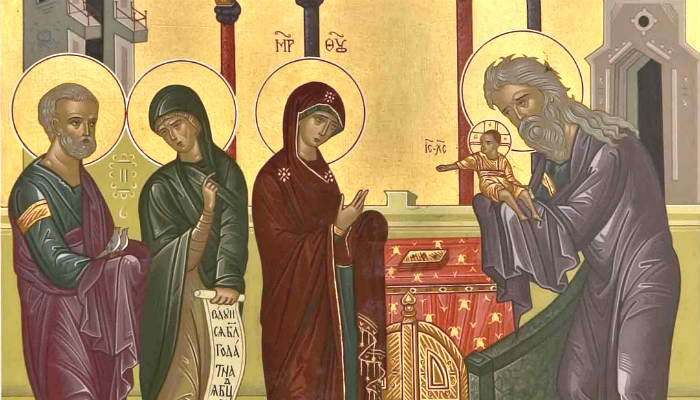

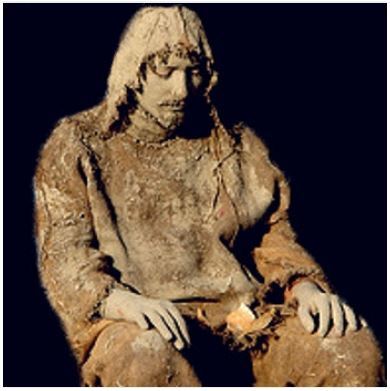


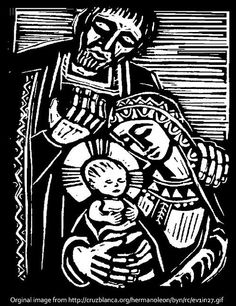
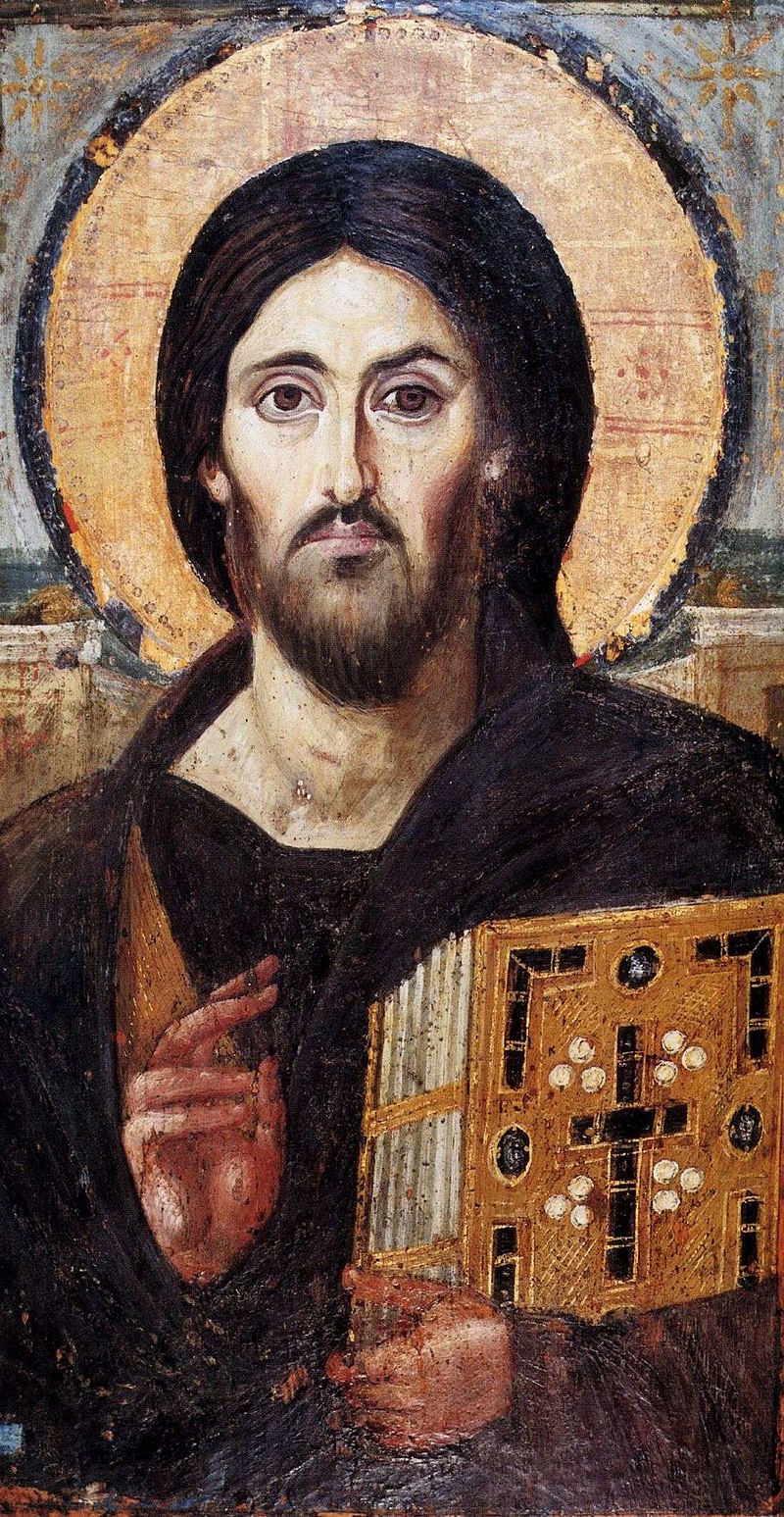
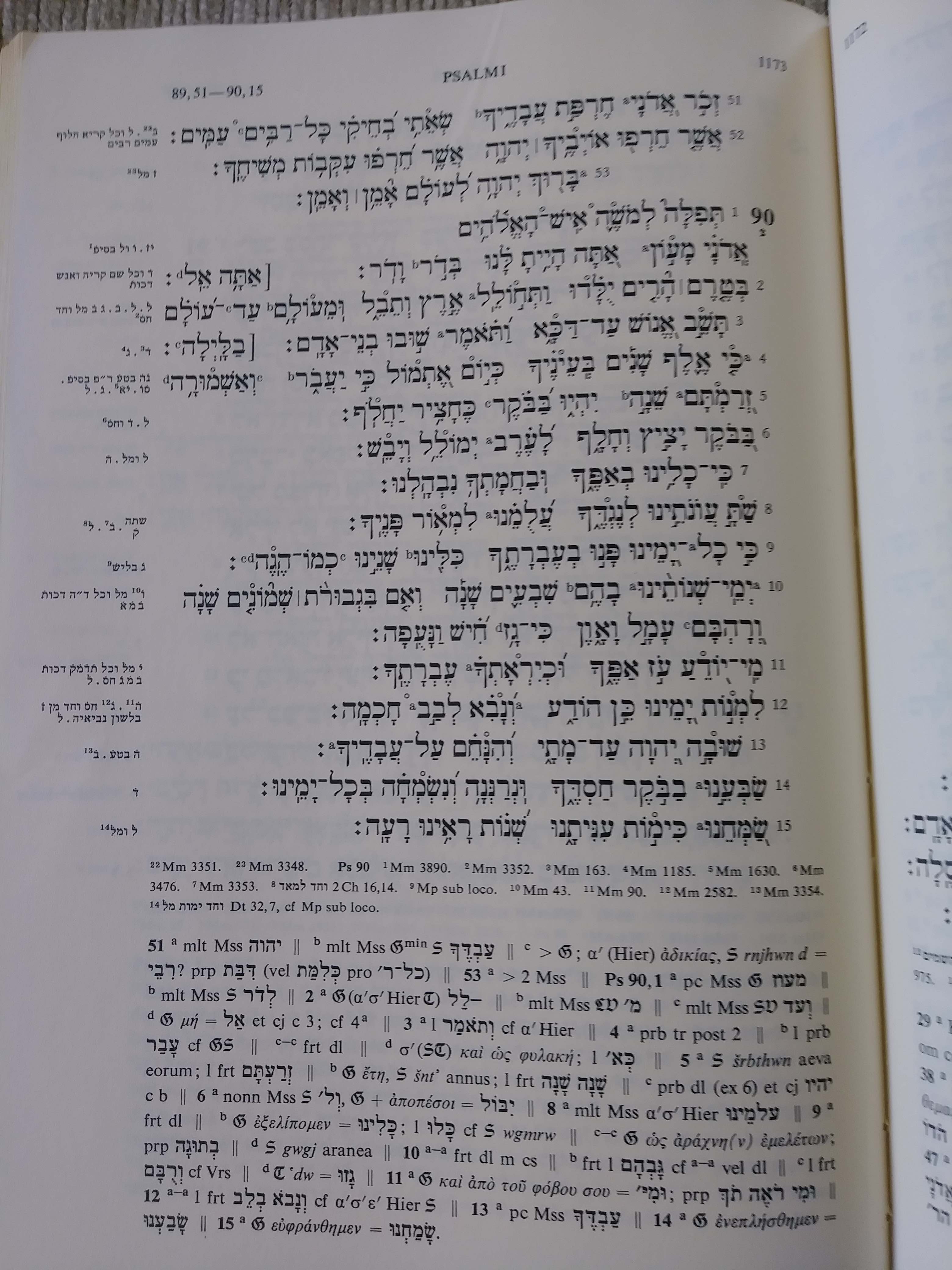


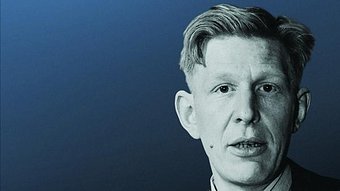
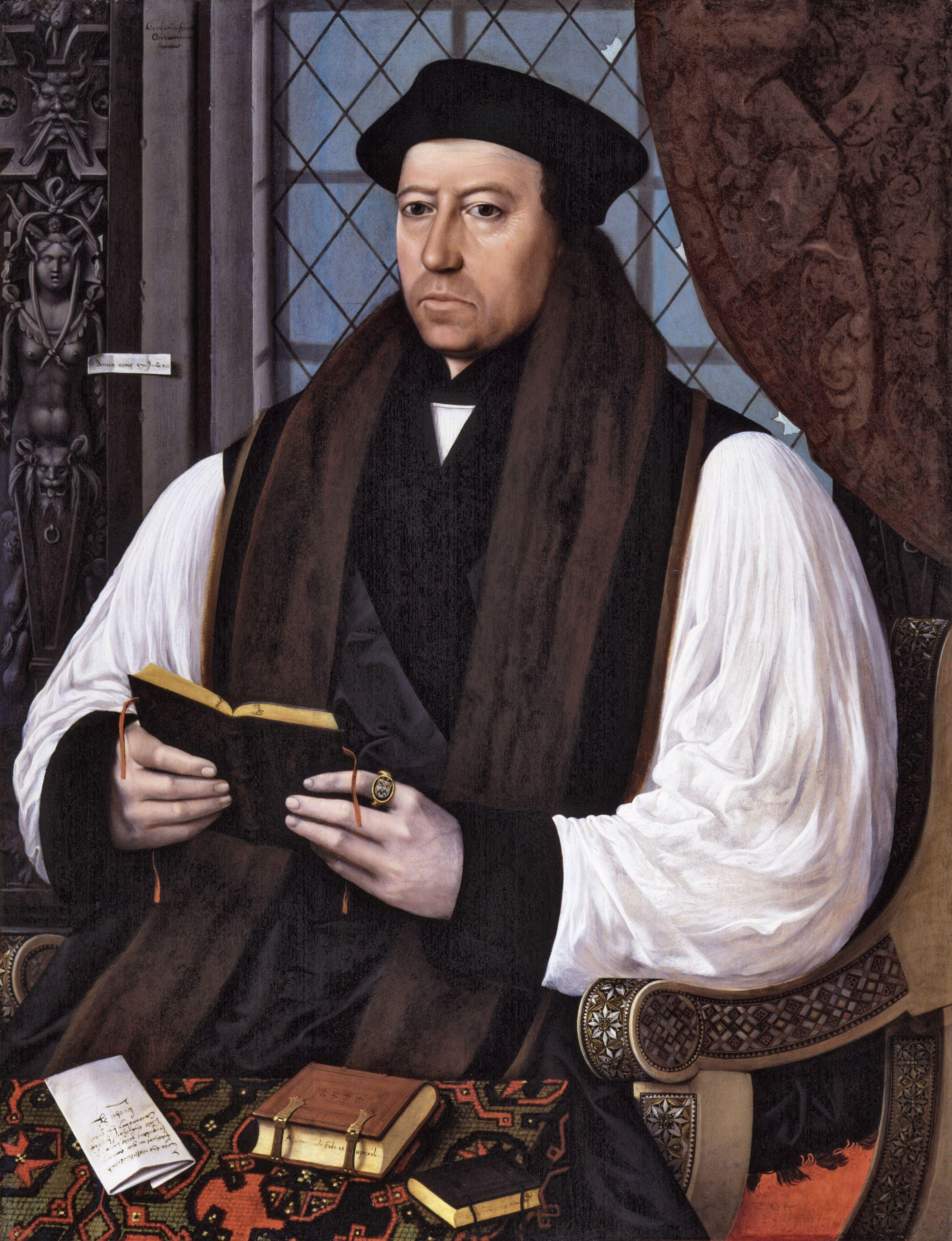


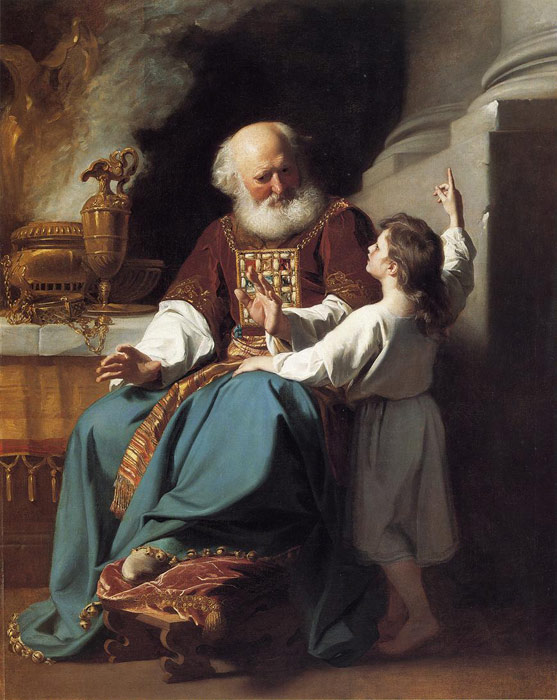
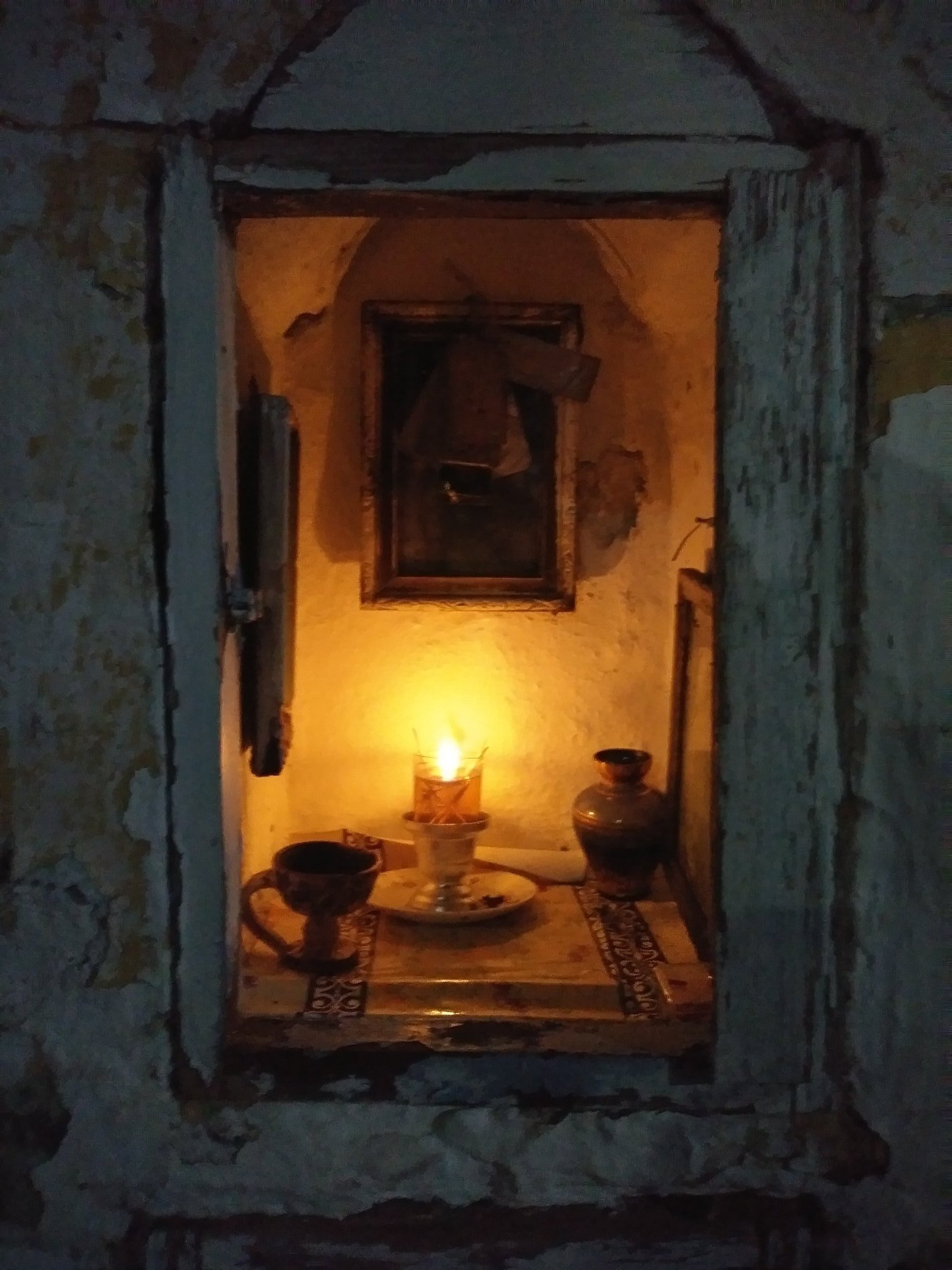
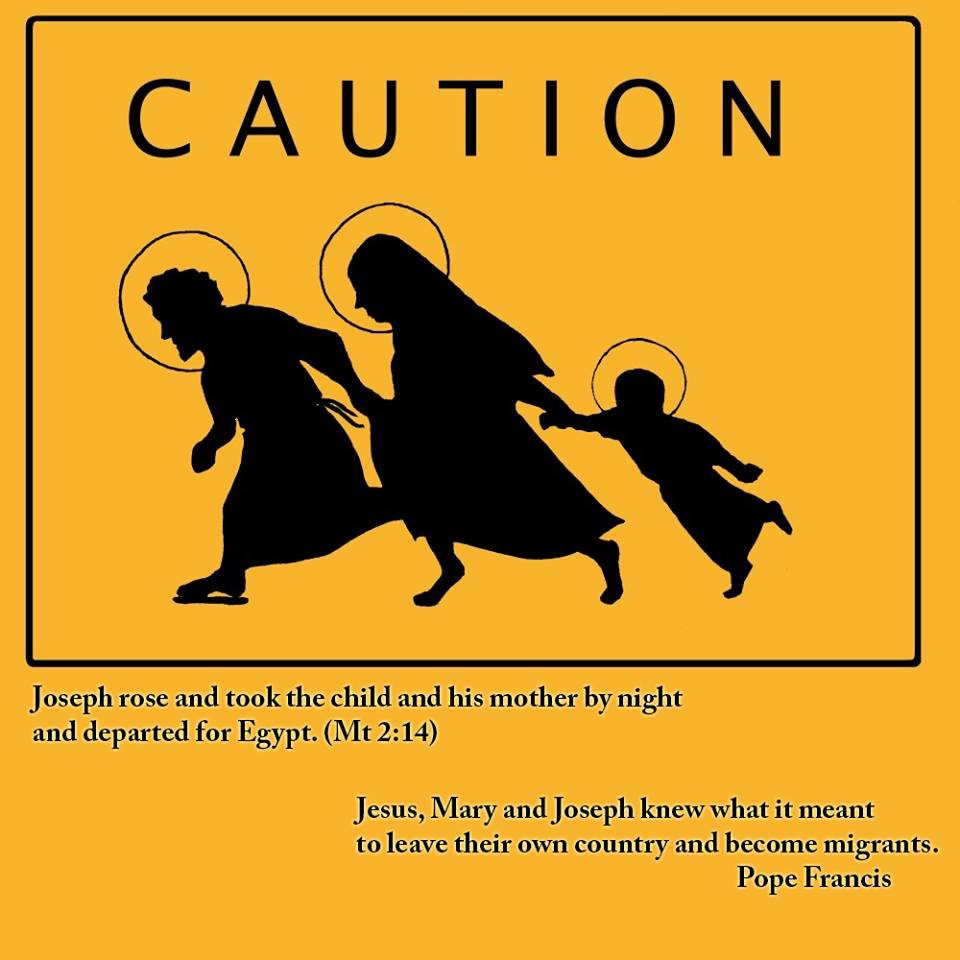

 75 or Papyrus 75, It is dated to 175–225 CE, and is thus one of the oldest manuscripts of Luke and John ever found.


 The Island Parson